
- -10%


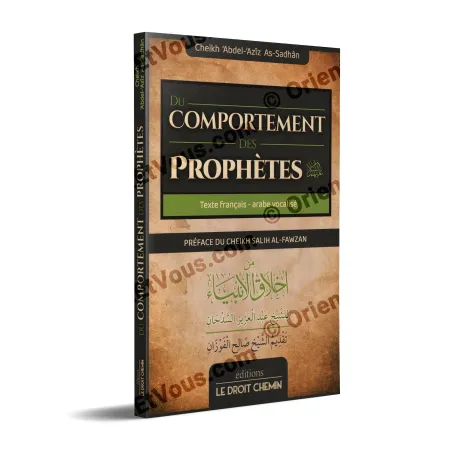
The Good Conduct: The Source of Happiness is a French-language book devoted to the concept of adab (proper conduct) in Islam, presented as a core element of faith, ethics, and personal balance. The author explains how good character governs one’s relationship with Allah, the Prophet ﷺ, and other people, and how noble manners are a direct source of happiness in this life and the Hereafter.
The Good Conduct: The Source of Happiness is a French-language book devoted to the concept of adab (proper conduct) in Islam, presented as a core element of faith, ethics, and personal balance. The author explains how good character governs one’s relationship with Allah, the Prophet ﷺ, and other people, and how noble manners are a direct source of happiness in this life and the Hereafter.
You might also like




Good Manners: The Source of Happiness is a structured reminder on etiquette (al-adab) and good conduct, presented as a central path to success and happiness in this life, and as a decisive cause of spiritual elevation in the Hereafter. The author explains decorum as a comprehensive principle that gathers praiseworthy qualities, protects from blameworthy behaviors, and provides a firm foundation for acquiring virtues and maintaining steadiness in one’s religious journey.
The book clearly distinguishes three areas of etiquette: etiquette toward Allah, etiquette toward the Messenger ﷺ, and etiquette toward people. Etiquette toward Allah is described as inward and outward conformity to the reverence due to the Creator, and as a practical expression of sincere and living monotheism. Etiquette toward the Messenger ﷺ is grounded in true adherence to his teachings, without preferring personal opinions, desires, or inherited habits over them.
Etiquette toward people, however, forms the practical core of the book. It means giving each person conduct suited to their rank and situation, based on noble character. It is in this relational sphere that virtues are most visibly embodied, and where moral shortcomings that require reform also become apparent.
A substantial section highlights the merits of good conduct, presented as a sign of spiritual maturity and a direct cause of goodness in one’s life. The author recalls that perfecting noble character is among the major aims of the Prophetic mission ﷺ, and that deeds are also weighed by the moral quality that accompanies them.
Thus, moral rectitude is not treated as an optional add-on. It is shown through control of speech, restraint of the ego, the ability to preserve others’ dignity, and continuous effort to refine everyday habits.
The book draws a close link between sound belief and virtues, showing that beautiful qualities are the natural fruit of a healthy faith. Conversely, moral weakening is presented as a major cause of spiritual decline and division. Noble character facilitates acceptance of reminders, strengthens cohesion, and makes calling to good more effective and fruitful.
The most concrete part of the book offers rules that apply to daily life: learning to listen more than speak, avoiding monopolizing conversation, shunning self-praise, attributing words to their authors, protecting oneself from backbiting and obscenity, and verifying information before passing it on. The author also emphasizes moderation in laughter and joking, and the importance of a manner that does not drive hearts away.
A specific section details the etiquette of visiting the sick, highlighting the needed delicacy, keeping the visit brief, offering comforting words, and making appropriate supplications. These teachings share the same educational purpose found in Good Manners: The Source of Happiness and resonate with classic works on proper conduct, such as At-Tibyan: An Exposition of Good Manners for Readers of the Quran.
The book concludes with a set of a father’s counsel to his son, rich with recommendations related to sobriety, dignity, truthfulness, and honoring commitments. Three final recommendations summarize the approach: put into practice without delay what has been learned, give special care to good conduct with one’s close relatives, and prioritize children’s moral education as one of the greatest legacies to leave behind.

No customer reviews for the moment.
![Cover of The Difference Between Sincere Advice and Slander [French-Arabic] by Shaykh al-Fawzan](https://orientetvous.com/15938-home_default/difference-sincere-advice-slander.jpg)

![Cover of the book The Rules of the Gaze [French] by Khâlid Ibrâhîm al-Saq‘abî](https://orientetvous.com/16127-home_default/the-rules-of-the-gaze.jpg)